
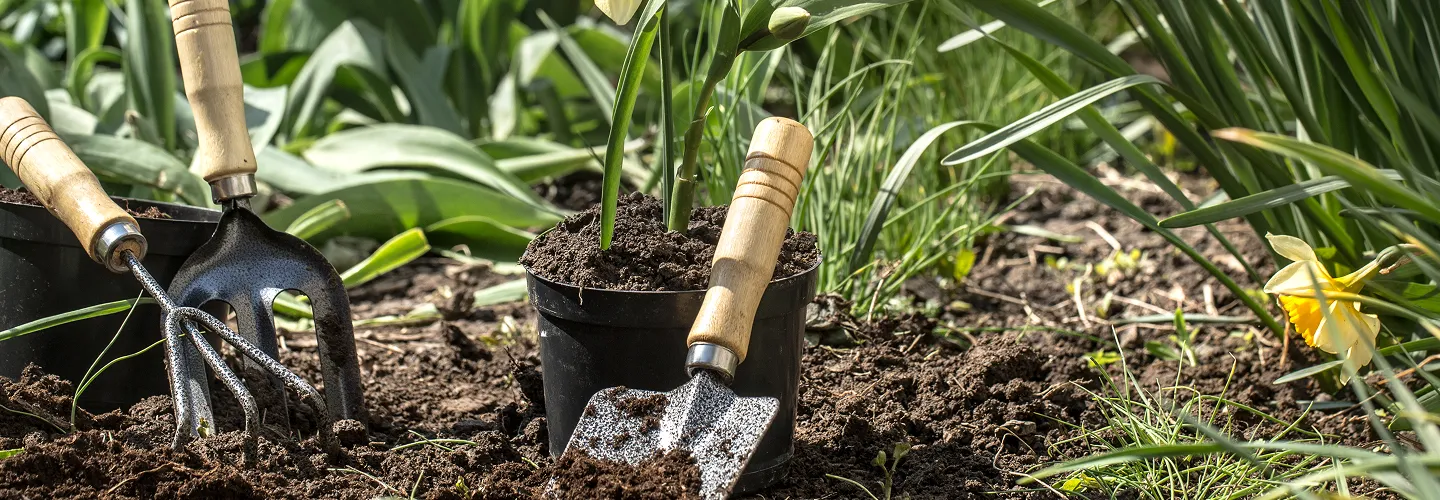
Webster Flower Planting Services
Choose our flower planting services for vibrant, healthy blooms that enhance your curb appeal and bring lasting beauty to your outdoor spaces—crafted with care by local horticultural experts.
Get a Free QuoteOur Webster Landscaping & Yard Care Services
When to Schedule Flower Planting in Webster, Texas – Seasonal Guide
In Webster, Texas, timing your flower planting is crucial for vibrant, long-lasting blooms. The region’s subtropical climate means mild winters and hot, humid summers, so the best planting windows are typically early spring (late February to March) and early fall (late September to October). Planting during these periods allows roots to establish before the intense summer heat or occasional winter chills. Neighborhoods near Challenger Seven Memorial Park and the Clear Lake area often experience microclimates, with varying shade and soil moisture levels that can impact planting success.
Local environmental factors such as the last frost date—usually in early March—should guide your schedule. Webster’s clay-heavy soils retain moisture but may require amending for optimal drainage. Humidity and rainfall patterns, especially during hurricane season, can affect both planting and maintenance. For more detailed local climate data, consult resources like the Sudbury municipal site.
Benefits of Flower Planting in Webster
Expert Local Knowledge
Customized Landscape Designs
Seasonal Plant Selection
Enhanced Curb Appeal
Eco-Friendly Practices
Reliable Maintenance Services
Webster Flower Planting Types

Perennial Flower Beds
-
Annual Flower Displays
-
Native Wildflower Gardens
-
Seasonal Bulb Plantings
-
Pollinator-Friendly Plantings
-
Shade Garden Flowers
-
Container Flower Arrangements
Our Flower Planting Process
Site Evaluation
Soil Preparation
Plant Selection
Careful Planting
Watering and Mulching
Why Choose Webster Landscape Services
-
Webster Homeowners Trust Us
-
Expert Lawn Maintenance
-
Reliable Scheduling
-
Competitive Pricing
-
Professional Team
-
Satisfaction Guarantee
-
Personalized Service
Soil Series and Drainage Considerations for Flower Planting in Webster
Webster’s predominant soils, including Lake Charles clay and League clay loam, present unique challenges for flower planting due to their high clay content, slow drainage, and alkaline pH (typically 7.5-8.2). These soils are prone to compaction, especially in developed neighborhoods, which can restrict root growth and water infiltration. For optimal results, incorporate 2-3 inches of compost into the top 6 inches of soil and consider gypsum amendments to improve structure. Soil testing is recommended through Texas A&M AgriLife Extension (typical cost: $15-25). Key soil management steps include:
- Compost incorporation: 2-3 inches tilled to 6-inch depth
- Lime or sulfur application based on pH test results
- Raised beds for areas with persistent drainage issues
- Avoiding planting in low-lying spots with standing water
Seasonal Timing and Climate Zone Guidance for Webster Flower Planting
Webster is located in USDA Hardiness Zone 9a, with average annual minimum temperatures of 20-25°F. The optimal planting window for most annual and perennial flowers is February 15 to April 15 for spring installations, and September 15 to October 31 for fall plantings. Soil temperatures should be above 55°F for successful establishment. The National Weather Service Houston/Galveston Office provides up-to-date local forecasts to guide timing. Key timing recommendations:
- Spring planting: February 15 – April 15 (soil temp >55°F)
- Fall planting: September 15 – October 31 (before first frost)
- Avoid planting during peak summer (June-August) due to heat stress
- Water new plantings early morning to reduce evaporation
Native and Adaptive Flower Species Selection for Webster’s Urban Landscapes
Selecting species suited to Webster’s climate and soils is essential for sustainable flower planting. Recommended native and adaptive perennials include:
- Black-eyed Susan (Rudbeckia hirta)
- Gulf Coast penstemon (Penstemon tenuis)
- Texas lantana (Lantana urticoides)
- Autumn sage (Salvia greggii)
- Turk’s cap (Malvaviscus arboreus) For shaded areas, consider coral bells (Heuchera spp.) and spider lily (Hymenocallis liriosme). Spacing should be 12-18 inches for bedding plants and 18-24 inches for larger perennials. Deer-resistant options include Russian sage and salvia. Consult Texas A&M AgriLife Extension for detailed plant lists and maintenance guides.
Municipal Coordination and Compliance for Flower Planting Projects in Webster
All flower planting activities in Webster must comply with city ordinances regarding right-of-way, sightline setbacks, and stormwater management. Planting within 10 feet of public sidewalks or utility easements requires review by the city’s zoning office. Debris from planting projects must be disposed of according to the city’s weekly yard waste collection schedule:
- Collection day: Thursday (April–November)
- Accepted: Leaves, grass, brush under 4 feet
- Containers: Biodegradable bags or 32-gallon bins
- Prohibited: Plastic bags, branches over 4 inches diameter For permit requirements and disposal guidelines, coordinate with the zoning and public works departments.
City of Webster Public Works Department
1919 Texas Avenue, Webster, TX 77598
Phone: (281) 316-3700
Official Website: City of Webster Public Works Department
Webster Zoning
101 Pennsylvania Avenue, Webster, TX 77598
Phone: (281) 316-3700
Official Website: City of Webster Zoning
Environmental Compliance: Stormwater, Buffer Zones, and State Regulations in Webster
Flower planting in Webster must adhere to stormwater management requirements under the Texas Water Code and the Clean Water Act. The city’s MS4 permit prohibits soil, mulch, or plant debris from entering storm drains. Maintain a 25-foot buffer from wetlands and drainage ditches, and avoid fertilizer or pesticide application within 50 feet of water bodies. For projects near Clear Creek or city detention ponds, additional review may be required by the environmental health department.
City of Webster Environmental Health
101 Pennsylvania Avenue, Webster, TX 77598
Phone: (281) 316-3700
Official Website: City of Webster Environmental Health
Texas Commission on Environmental Quality
12100 Park 35 Circle, Austin, TX 78753
Phone: (512) 239-1000
Official Website: Texas Commission on Environmental Quality
What Neighborhoods Do We Serve Throughout Webster, TX?
- Edgewater: Features newer developments with engineered soils and improved drainage, but clay subsoils may require raised beds for optimal flower growth.
- Green Acres: Older lots with mature trees and compacted soils; shade-tolerant species and soil amendment are often necessary.
- Webster Gardens: Proximity to Clear Creek increases flood risk and requires careful selection of flood-tolerant and deep-rooted perennials.
- Sterling Knoll: Uniform lot sizes and HOA landscaping guidelines; compliance with setback and plant height restrictions is essential.
- Camino Park: Dense residential area with limited planting space and high pedestrian traffic, necessitating low-maintenance, drought-tolerant species.
- NASA Bypass District: Commercial and mixed-use properties with heavy foot traffic and urban fill soils; robust, pollution-tolerant flowers are recommended.
- Baybrook Area: Near major retail centers, this area faces heat island effects and requires heat- and drought-adapted plantings for sustained performance.