
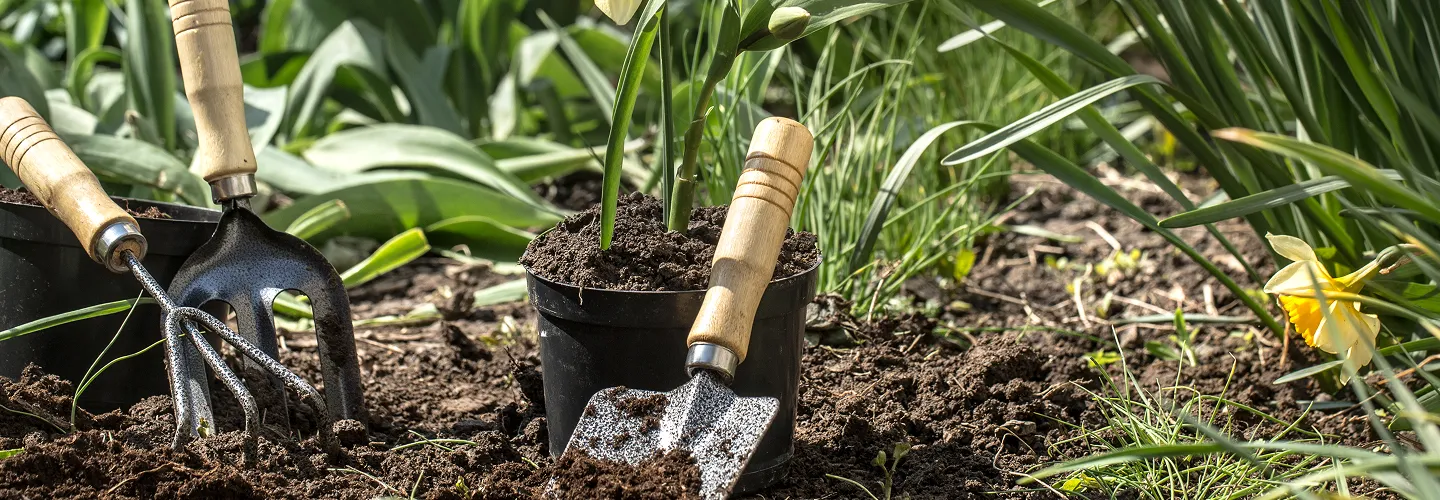
Webster Plant Removal Services
Choose our plant removal experts for safe, thorough, and eco-friendly solutions that restore your landscape’s beauty and health—no mess, no stress.
Get a Free QuoteOur Webster Landscaping & Yard Care Services
When to Schedule Plant Removal in Webster, Texas – Seasonal Guide
In Webster, Texas, timing your plant removal is crucial for both the health of your landscape and the efficiency of the process. The region’s humid subtropical climate, with its hot summers and mild winters, means that late winter through early spring is often the best window for plant removal. This period, just after the last frost date and before new growth begins, allows for easier root extraction and minimizes stress on surrounding vegetation. Neighborhoods near Clear Lake and the Space Center often experience unique microclimates, so it’s important to consider local conditions when planning your project.
Factors such as soil type—ranging from sandy loam in Heritage Park to heavier clay near Challenger Seven Memorial Park—can impact removal techniques and timing. High humidity and frequent rainfall in spring can make soil softer and more workable, while summer droughts may harden the ground, complicating removal efforts. Additionally, municipal guidelines and local resources can provide valuable information on seasonal restrictions and best practices.
Local Factors to Consider for Plant Removal in Webster
- Tree density and shade coverage in your yard
- Soil composition (sandy, loamy, or clay)
- Recent precipitation and current soil moisture
- Proximity to protected green spaces or water features
- Municipal restrictions or permit requirements
- Risk of frost or extreme heat events
- Accessibility and terrain (flat lawns vs. sloped lots)
Benefits of Plant Removal in Webster

Improved Curb Appeal
Healthier Landscapes
Increased Property Value
Expert Local Knowledge
Efficient and Safe Removal
Customized Landscaping Solutions
Webster Plant Removal Types

Tree Removal
-
Shrub Removal
-
Stump Grinding
-
Invasive Species Removal
-
Root System Extraction
-
Hedge Clearing
-
Overgrowth Management
Our Plant Removal Process
Site Evaluation
Preparation and Safety Measures
Plant Extraction
Debris Removal
Site Restoration
Why Choose Webster Landscape Services
-
Webster Homeowners Trust Us
-
Expert Lawn Maintenance
-
Reliable Scheduling
-
Competitive Pricing
-
Professional Team
-
Satisfaction Guarantee
-
Personalized Service
Plant Removal Ordinances and Permit Requirements in Webster
Plant removal activities in Webster are governed by specific municipal ordinances to ensure public safety, environmental protection, and compliance with city standards. Removal of trees with a diameter at breast height (DBH) greater than 6 inches requires a permit, with an application fee typically set at $50 and a review period of 7-10 business days. All plant debris must be disposed of according to city guidelines, which prohibit dumping in storm drains or public rights-of-way. Equipment operation for plant removal is restricted to the following hours:
- Monday-Friday: 7:00 AM - 7:00 PM
- Saturday: 8:00 AM - 6:00 PM
- Sunday and holidays: Prohibited
Permit applications and ordinance details are managed by the city’s zoning and public works departments.
City of Webster Public Works Department
855 Magnolia Avenue, Webster, TX 77598
Phone: (281) 316-3700
Official Website: City of Webster Public Works Department
Soil Series and Drainage Considerations for Plant Removal in Webster
Webster’s predominant soils, as identified by the USDA Web Soil Survey, include the Lake Charles clay and League clay series. These soils are characterized by high clay content, poor drainage, and a tendency for seasonal waterlogging, especially in low-lying areas. Soil pH typically ranges from 7.0 to 8.0, which can affect the decomposition rate of plant debris and the success of site restoration after removal. When removing plants, it is recommended to:
- Avoid heavy equipment use during wet periods to prevent soil compaction
- Incorporate 2-3 inches of compost to improve soil structure post-removal
- Maintain a minimum 25-foot buffer from wetlands and drainage ditches
- Conduct soil testing through Texas A&M AgriLife Extension (test fee: $15-25)
These practices help maintain soil health and comply with local environmental standards.
Environmental Compliance: Stormwater and Wetland Protections in Webster
Plant removal in Webster must adhere to both municipal and state environmental regulations, particularly regarding stormwater management and wetland protection. The city operates under an MS4 permit, which prohibits the discharge of plant debris, soil, or chemicals into storm drains, as required by the Clean Water Act and enforced by the Texas Commission on Environmental Quality (TCEQ). Key compliance steps include:
- Maintaining a 25-foot no-disturbance buffer from wetlands and water bodies
- Using biodegradable bags for debris collection
- Scheduling removal outside of forecasted heavy rain events (consult National Weather Service Houston/Galveston)
- Prohibiting fertilizer or herbicide application within 50 feet of streams
City of Webster Environmental Health
101 Pennsylvania Avenue, Webster, TX 77598
Phone: (281) 316-3700
Official Website: City of Webster Environmental Health
Professional Standards and Safety Protocols for Plant Removal in Webster
All plant removal operations in Webster must comply with city safety ordinances and professional best practices. Operators are required to use commercial-grade equipment with functioning mufflers, and noise levels must not exceed 85 decibels at property lines. Personal protective equipment (PPE) is mandatory, including:
- Eye protection: ANSI Z87.1 safety glasses
- Hearing protection: Earmuffs or plugs for 85+ dB
- Footwear: Steel-toed boots
- Gloves: Cut-resistant for pruning, chemical-resistant for herbicide use
A minimum 15-foot clearance from overhead utilities must be maintained, and all work near public roads requires advance warning signage placed at least 500 feet from the work zone. The city’s public works and fire departments provide additional guidance on traffic control and emergency protocols.
City of Webster Fire Department
18300 Highway 3, Webster, TX 77598
Phone: (281) 332-2711
Official Website: City of Webster Fire Department
What Neighborhoods Do We Serve Throughout Webster, TX?
- Edgewater: Features newer developments with engineered drainage and compacted fill soils, requiring careful equipment selection to avoid rutting and soil disturbance during plant removal.
- Green Acres: Characterized by mature tree canopies and older infrastructure, with frequent proximity to drainage ditches and higher risk of soil erosion during removal activities.
- Webster Gardens: Contains smaller lots and denser housing, necessitating strict adherence to noise ordinances and careful debris containment to prevent runoff into adjacent properties.
- Sterling Knoll: Located near Clear Creek, this area has periodic flooding and clay soils with poor drainage, making timing and buffer compliance critical for plant removal.
- Camino Park: Includes a mix of residential and commercial properties, with access limitations due to narrow streets and overhead utilities, requiring advanced planning for equipment staging.
- NASA Bypass District: Features commercial corridors with landscaped buffers and regulated green spaces, where removal work must coordinate with city zoning and public works for compliance.